Sleep and Muscle Recovery: What Happens When You Train Hard and Sleep Poorly
You’re consistent with your training. You’re eating well. You’re doing everything right in the gym. But the results aren’t matching the effort. Before you change your program, add more volume, or start second-guessing what you’re doing, there’s something worth looking at first: your sleep.
Most people think recovery is about rest days, stretching, or maybe getting enough protein. And those things matter. But sleep is different. Sleep is the foundation. It’s the time when your body actually takes the work you’re doing in the gym and turns it into progress.
This post breaks down what actually happens in your body during sleep that makes your training work, what happens when you don’t get enough, and what you can realistically do about it.
I’m Robert Tanner, a kinesiology graduate and personal trainer in East Vancouver. Recovery is something I talk about with every client because it’s where the results actually happen. The workout is the stimulus, but the recovery is where the change takes place.
This is also part 2 of a recovery series. If you missed the first post on managing stress with strength training, start there. Stress and sleep are two sides of the same coin, and they tend to show up together when progress stalls.
What Happens During Sleep That Drives Muscle Recovery
Sleep isn’t just passive rest. It’s an active recovery process where your body does the behind-the-scenes work that training depends on. When you lift weights, you create stress in the muscles. Tiny micro-tears form in the tissue, your nervous system gets taxed, and your body gets pushed slightly out of balance. That’s the point of training. But the adaptation, the rebuilding and strengthening, happens afterward.
A huge portion of that happens while you sleep. There are a few key processes during sleep that directly affect muscle recovery and growth, and understanding them makes it easier to see why sleep is often the missing piece.
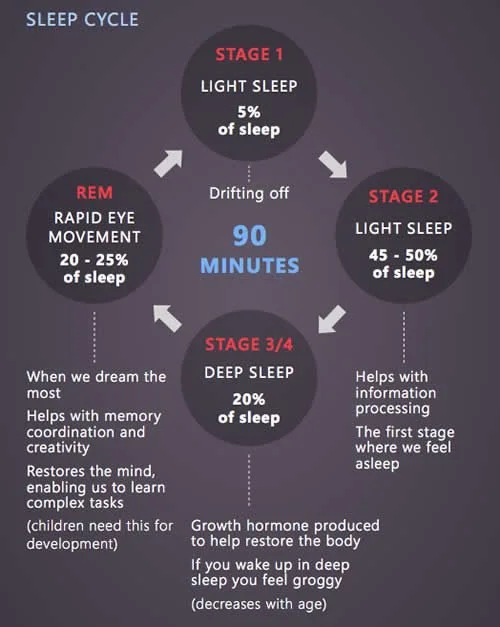
One of the biggest is growth hormone. Growth hormone is one of the body’s main repair signals. In adults, it isn’t about getting taller. It plays a major role in tissue recovery, rebuilding muscle after training, and supporting the adaptations you’re working for. The majority of growth hormone release happens during deep sleep, especially in the first half of the night. That’s why sleep is more than just downtime. It’s a nightly rebuilding window. If your sleep is consistently short, broken, or shallow, those growth hormone pulses are reduced, and recovery becomes slower over time.
Another major factor is muscle protein synthesis, which is essentially your body’s muscle-building process. Muscle growth doesn’t happen during your workout. Training is the stimulus, but building happens afterward, when your body repairs and replaces damaged muscle proteins with stronger ones. Sleep plays a direct role in how efficiently that process works. Research shows that even a single night of sleep deprivation can reduce muscle protein synthesis the next day. One study found about an 18% drop in muscle-building rates after just one night without sleep. That’s a big deal, because it means you can be doing everything right with training and nutrition, but your body may not be building as effectively if sleep is missing.
The third piece is cortisol, your main stress hormone. Cortisol isn’t inherently bad. You need it for energy and alertness. But when sleep is poor, cortisol tends to stay elevated, and chronically high cortisol shifts the body into a more catabolic state. That means more breakdown, slower repair, and reduced recovery between sessions. The same sleep deprivation research that showed reduced muscle protein synthesis also found significantly higher cortisol levels after one night without sleep. Poor sleep creates a double hit: less building and more breakdown.
How Bad Sleep Shows Up in the Gym
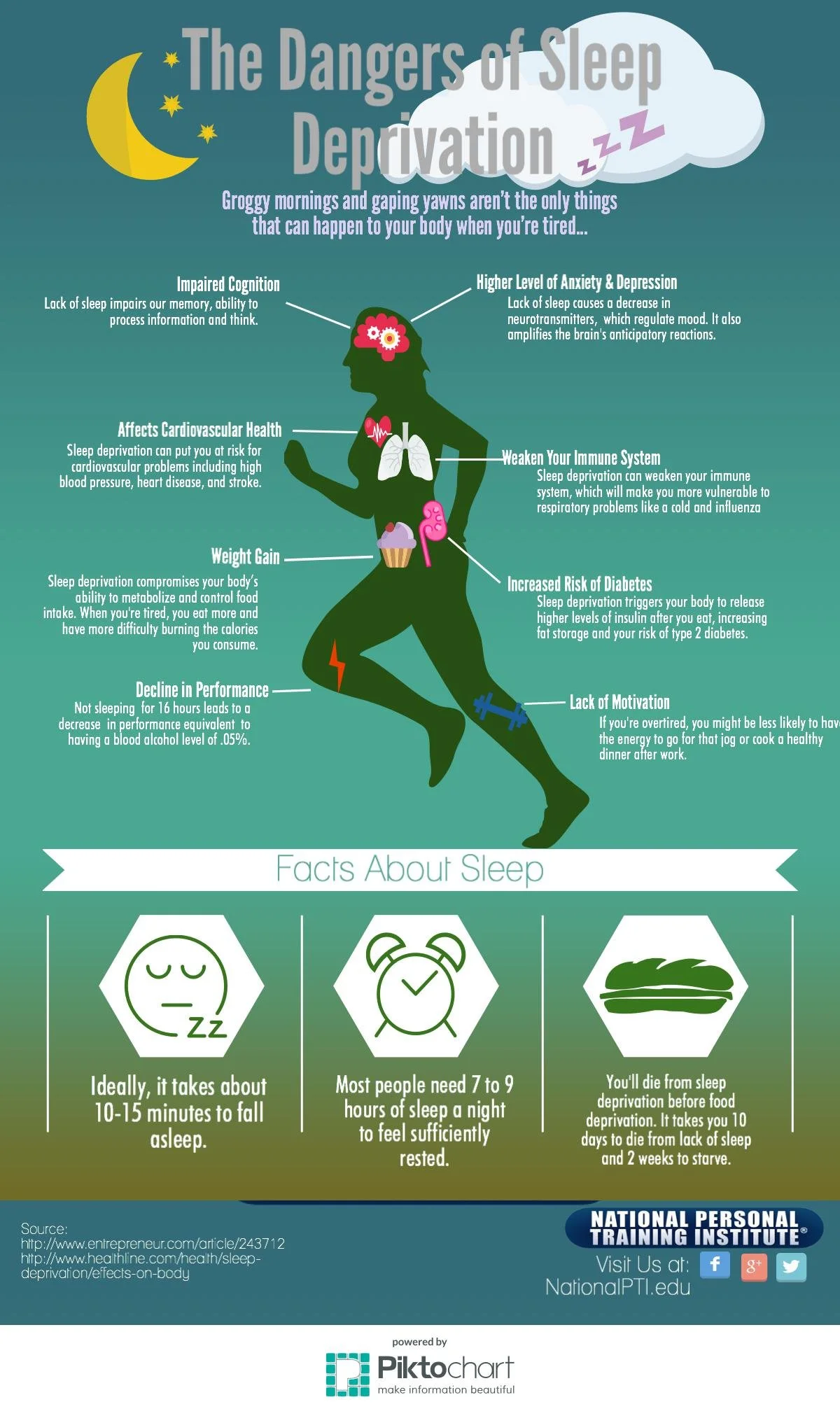
Most people don’t connect sleep to training results until things start to feel off. But poor sleep has very real effects, and most people recognize themselves in the patterns right away.
One of the first signs is that strength stalls. You’re showing up consistently, but nothing is moving. You feel like you’re working hard, but progress slows down. Strength gains require adaptation, and adaptation requires recovery. You don’t actually get stronger during the workout. You get stronger from recovering from the workout, and sleep is one of the biggest drivers of that.
Another common sign is that workouts start feeling harder than they should. Weights feel heavier, focus is lower, and everything takes more effort. The workout hasn’t changed, but your nervous system is more fatigued because recovery is incomplete.
You might also notice soreness lasting longer than normal. Soreness isn’t always a badge of honor. If you’re constantly sore for days at a time, it can be a sign that your body isn’t repairing efficiently between sessions. Sleep is one of the main times your body reduces inflammation and rebuilds tissue. Less sleep often means longer soreness.
Motivation also drops. Poor sleep affects mood, mental energy, and drive. A lot of people think they need more discipline, when really they need more rest. And over time, poor sleep can increase injury risk, because reaction time, coordination, and movement quality all suffer when the body is under-recovered.
How Much Sleep Do You Actually Need?
You’ve probably heard the standard recommendation of 7 to 9 hours per night. That’s a good baseline, but it’s also incomplete. For people who strength train regularly, sleep needs are often higher. Training is stress, and stress increases recovery demand.
For many active adults, the sweet spot is closer to 8 to 9 hours consistently. Not because you’re lazy, but because you’re adapting. If you’re training hard, working full time, managing stress, and trying to build strength, your body needs enough recovery time to keep up.
Sleep quality matters just as much as quantity. Six hours of uninterrupted deep sleep is often better than eight hours of broken sleep. The goal isn’t just more time in bed. It’s better recovery sleep.
Instead of obsessing over the perfect number, it can help to look at real feedback. Are you waking up rested? Are you progressing in the gym? Are you always sore or fatigued? Are you relying heavily on caffeine to function? Those answers often tell you more than a sleep tracker.
What You Can Actually Do About It
The good news is that improving sleep doesn’t need to be complicated. Most people don’t need expensive gadgets or a perfect routine. The biggest changes are usually the simplest ones, done consistently.
Start with a consistent wake-up time. That anchors your sleep rhythm more than a perfect bedtime. Getting outside light in the morning also helps regulate your circadian clock, even if it’s just a few minutes.
One of the most common sleep killers I see is late-night scrolling. Cutting screen time even 30 to 60 minutes before bed is one of the easiest upgrades most people can make.
If you train late in the evening, recognize that hard workouts can elevate adrenaline and body temperature. You may need a longer wind-down window before sleep. Keeping your room cool, dark, and quiet also makes a bigger difference than most people realize.
And finally, treat sleep like training. You wouldn’t skip workouts randomly all week and expect results. Sleep works the same way. Consistency beats perfection.
In Closing
Sleep is where your training actually produces results. The gym provides the stimulus, but sleep is when your body repairs muscle, releases growth hormone, builds new tissue through protein synthesis, and keeps cortisol in check.
If you’re training hard but not seeing progress, don’t just add more volume. Look at recovery first.
And if you haven’t read part 1 of this recovery series on managing stress with strength training, check it out here. Stress and sleep are two sides of the same coin.
If you want help building a training plan that supports both performance and recovery, reach out anytime through Coast Athletics.
Common questions about sleep and training
-
Somewhat, but not fully. "Sleep debt" is real and weekend catch-up sleep doesn't completely offset the hormonal and recovery effects of poor sleep during the week. Consistency beats compensation.
-
Short naps (20-30 minutes) can help with alertness and may provide some recovery benefit, but they don't replace a full night of deep sleep. If you nap, keep it early in the afternoon so it doesn't mess with your nighttime sleep.
-
Usually yes, but adjust the intensity. A lighter session or mobility work is better than skipping entirely. Listen to your body. If you're running on very little sleep, a walk or some stretching might be more productive than trying to hit a PR.
-
Common signs: the bar feels heavier than it should, you're sore for longer than usual, you're not progressing despite consistent training, or you feel wired but tired. If more than one of those sounds familiar, sleep is worth looking at before changing your program.
Credible Sources
Lamon et al., 2021 — Sleep deprivation reduces muscle protein synthesis
https://pubmed.ncbi.nlm.nih.gov/33400856/
Saner et al., 2020 — Short sleep reduces muscle recovery signals
https://pubmed.ncbi.nlm.nih.gov/32959365/
Kaczmarek et al., 2023 — Review on sleep, growth hormone, cortisol, and recovery
https://pubmed.ncbi.nlm.nih.gov/36882531/