Protein for Busy People: How Much Protein Do You Really Need Each Day?
If you’ve ever searched how much protein per day and immediately regretted it, you’re in good company. One site tells you that you need bodybuilder-level intake, another says you’re eating too much, and somehow all of them assume you have unlimited time to cook and track food.
Before getting into numbers, it’s worth sharing where this advice is coming from. I’m vegetarian, I strength train, and I run a training business. My days are busy, my meals are not always pretty, and my protein intake is built around what’s realistic not what looks best on an Instagram reel.
Most days, protein for me looks like Greek yogurt, tofu, mock meats, protein shakes, lentils, sometimes eggs and yes, sometimes two veggie burgers because it’s late and I need dinner to be easy. That real-world context matters, because nutrition only works if you can repeat it.
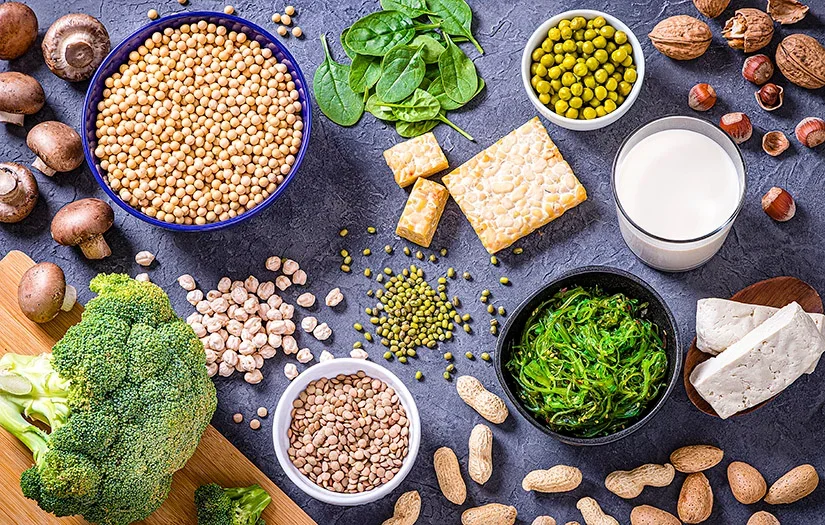
The short version: Most active adults need 1.6-2.2g of protein per kilogram of bodyweight daily (roughly 0.6-0.8g per pound). That's about 90-145g for most people. You don't need perfect timing or meal prep. Get protein at most meals using foods you'll actually eat. Greek yogurt, tofu, protein shakes, lentils, eggs even veggie burgers. Consistency beats perfection.
What Protein Actually Does in Your Body
Protein is usually framed as something you eat to “build muscle,” but that undersells its role, especially for working adults.
At a basic level, protein provides amino acids, which your body uses to repair and rebuild tissues. That includes muscle, but also connective tissue, enzymes, hormones, and parts of your immune system. If you train, sit a lot for work, deal with stress, or don’t always sleep perfectly (so… most adults), your body is constantly breaking tissue down and trying to rebuild it.
Adequate protein intake helps tip that balance toward recovery rather than constant wear and tear. It supports muscle maintenance as you age, helps workouts feel more productive, and plays a big role in how well you recover between sessions.
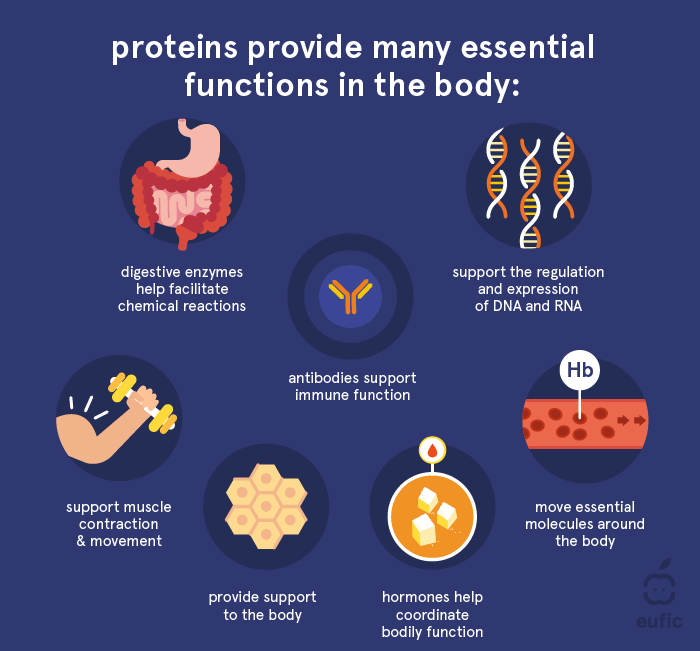
Protein also affects how full you feel after meals. Compared to carbs or fats alone, protein slows digestion and helps regulate appetite. For busy people who skip meals, eat on the run, or find themselves overeating at night, this matters more than most macro breakdowns.
In short: protein isn’t about getting huge. It’s about keeping your body resilient, capable, and adapting well to training and life.
How Much Protein Per Day Do You Need?
Now to the question everyone asks.
For generally active adults, research consistently shows that protein needs are higher than the old minimum recommendations, especially if you strength train. A practical, evidence-based range for most people is:
1.6–2.2 grams of protein per kilogram (kg) of bodyweight per day
That works out to roughly 0.6–0.8 grams per pound (lb) of bodyweight.
For example:
A 150 lb person will usually do well around 90–120 grams per day
A 180 lb person may need closer to 110–145 grams per day
This isn’t a precise prescription. It’s a range meant to account for differences in training volume, body size, age, and lifestyle. Hitting the middle of the range most days is more than enough for progress.
When You Might Need More Protein
There are situations where protein needs creep toward the higher end of that range.
If you’re in a calorie deficit trying to lose fat, higher protein intake helps preserve muscle while bodyweight comes down. Without enough protein, weight loss can include muscle loss, which usually leads to feeling weaker and stalled progress.

Heavy or frequent strength training also increases protein needs. More training creates more tissue breakdown, which means your body needs more raw material to recover and adapt.
Finally, as we age, our muscles become slightly less responsive to protein intake. That means adults in their 40s, 50s, and beyond often benefit from being more intentional with protein, not less.
None of this means extremes are required. It just means consistency matters more when life and training demands are higher.
How I Handle Protein as a Vegetarian
Being vegetarian doesn’t make protein complicated, but it does force you to be a little more intentional, especially if you’re busy and training regularly.
For me, the biggest shift was building protein into meals I was already eating, instead of trying to reinvent my diet. I don’t enjoy cooking elaborate meals, and I don’t have the time (or desire) to plan my week around food. So I rely on a few simple anchors.
Breakfast is almost always Greek yogurt with a scoop of protein powder mixed in. It’s fast, it travels well, and it gives me a solid protein base early in the day without any effort. On days when I’m hungrier or training later, I’ll add fruit or granola, but the core stays the same.
I also switched almost entirely to soy milk instead of dairy milk. From a protein standpoint, soy milk actually holds up well compared to dairy, and it’s an easy way to add a few extra grams of protein without changing how I eat. Coffee, smoothies, cereal, it all adds up over the day.
Lunch is usually leftovers or something assembled quickly: a tofu or lentil-based bowl, a stir-fry from the night before, or something simple I can eat between coaching sessions.
Dinner is where most of my protein comes in, and it’s also where I keep things flexible. A stir-fry with tofu or tempeh is a staple, but I’m not opposed to mock meats either. Veggie sausages, burgers, or even fake chicken nuggets show up regularly. Are they perfect? No. Are they convenient, high in protein, and something I’ll actually eat after a long day? Absolutely.
Some nights look balanced and intentional. Other nights are very clearly two veggie burgers and roasted veggies and maybe some rice or pasta. Over the course of the week, it evens out and that’s far more important than what any single meal looks like.
Protein for Muscle Growth Without Overcomplicating Life
If your goal is muscle growth or simply maintaining strength as you age, protein supports the work you’re doing in the gym. But it doesn’t work in isolation.
Enough protein, combined with progressive strength training and reasonable recovery, is what drives results. Perfect timing, exact macros, and rigid meal plans are optional, especially for people balancing careers and families.
Protein should make your training feel better, not become another thing you feel behind on.
If this sounds familiar, it’s worth pairing good nutrition with the right kind of training. I’ve written more about this in my post on functional training — specifically how strength training should support real-life movement, energy, and resilience, not just gym performance. Protein and functional training work best when they’re built around the same idea: sustainability.
Protein doesn’t need to be optimized to be effective.
If you’re busy, training consistently, and trying to feel strong and capable, focus on getting into your target range most days using foods you actually enjoy and can repeat.
That might be tofu bowls, yogurt and eggs, protein shakes between meetings, or two veggie burgers after a long day. What matters isn’t how impressive it looks — it’s that it works in real life.
That’s the same approach we take at Coast Athletics: practical, evidence-informed, and built to fit busy Vancouver schedules. We want you in the backcountry, not spending your whole weekend meal prepping.
Want Help Making This Simple?
If you’re training consistently but feel unsure whether your nutrition is actually supporting your goals, you don’t need a complicated plan — you need one that fits your life.
That’s how we approach coaching at Coast Athletics. Simple training, realistic nutrition, and a plan you can stick to. If you want help getting there, you can reach out or book a consult to see if it’s a good fit.