Exercises for Lower Back Pain for Desk Workers in Vancouver

If you’re a desk worker in Vancouver, there’s a good chance your lower back has started speaking up over the years. Sitting all day, commuting, working on a laptop at night, sitting on the couch, it all adds up.
What I see over and over is this: weak glutes, an underactive core, and a lower back that quietly picks up the slack. Eventually, it gets tired of compensating, and that’s when the stiffness, tightness, or nagging pain shows up.
Here’s the thing most people don’t hear enough: the answer usually isn’t more stretching. It’s smarter exercises for lower back pain that build strength where support is supposed to come from which are your hips, glutes, and core.
I’m a kinesiology graduate and personal trainer, not a doctor, so this isn’t medical advice or rehab for serious injury. What it is is a practical, realistic approach I use with everyday adults who want their back to feel stronger, more resilient, and less cranky during normal life. If your back hurts but you still want to stay active, you’re in the right place.
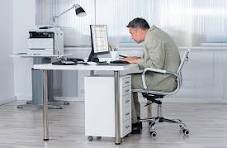
Why Your Desk Job Could Be Hurting Your Back
Most people don’t hurt their back by doing something dramatic. It usually comes from hours of not moving.
When you sit for long stretches of time, especially in that slightly slouched, shoulders-forward posture your body adapts to that new position. Your hips stay stuck in a bent position, your glutes stop doing much, and your core muscles basically check out. The problem? Your body still needs stability, so your lower back steps in to do a job it was never meant to handle on its own.
Over time, this creates a perfect storm: tight hip flexors pulling on the pelvis, weak glutes that aren’t helping with support, and a core that isn’t bracing the spine. The result is extra strain on the small muscles and joints of the lower back. It might start as stiffness when you stand up like that classic “old man grunt” in the morning, but if left unchecked, it often turns into ongoing discomfort.
What makes this worse is that many desk workers are also active outside of the office. You might cycle, run, ski, or hit the gym a few times a week. But if your base of support is weak from sitting all day, your back keeps taking the load during those activities too.
This is why random stretching or the occasional massage only helps temporarily. If the underlying strength issue doesn’t change, your back just keeps compensating. To truly address desk-related back pain, you need to restore strength and control to the muscles that are supposed to support your spine in the first place.
How This Ties Into Athletic Training
This idea of building strength where it actually matters isn’t just for desk workers, it’s the same foundation I use in athletic training. Whether someone is skiing, running, playing recreational sports, or just training hard in the gym, the goal is the same: strong hips and a stable core so the lower back isn’t forced to compensate.
If you’re interested in how this carries over to performance and injury resilience, I break it down more in my blog post on athletic training and real-world strength, where I explain how proper loading, movement quality, and progressive strength work keep people moving well long term.
Key Strength and Stretching Exercises for Lower Back Support
When it comes to exercises for lower back pain, the best options improve strength, control, and coordination around the spine, not just flexibility. These five exercises are well-supported by research and commonly used in back-friendly strength programs because they train your core and glutes to actually support your lower back during real life.
A quick note before you start:
If you’re dealing with sharp pain, nerve symptoms (like numbness or tingling), pain that’s worsening, or pain from a recent injury, get assessed by a healthcare professional first. The exercises below are intended for general, lifestyle-related lower back discomfort not acute or more severe conditions.
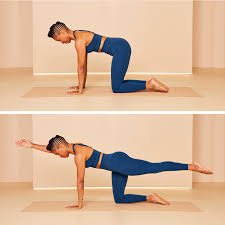
1. Bird-Dog
-How to do it: Start on hands and knees with a neutral spine. Slowly extend your opposite arm and leg while keeping your hips and ribs level. Pause briefly, then return to start and switch sides.
-Why it helps: This trains deep core stability and teaches your spine to stay supported while your limbs move — a key skill for walking, lifting, and daily activity.
-Sets & reps: 2–3 sets of 6–10 slow reps per side.
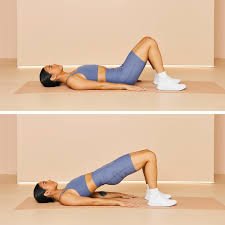
2. Glute Bridge
-How to do it: Lie on your back with knees bent and feet flat. Lightly brace your core, press through your heels, and lift your hips while squeezing your glutes. Lower under control.
-Why it helps: Strong glutes reduce how much work your lower back has to do during standing, walking, and lifting — especially important for desk workers with “sleepy” glutes.
-Sets & reps: 2–3 sets of 8–12 reps, with a 1–2 second pause at the top.
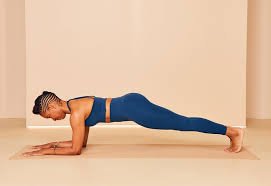
3. Front Plank
-How to do it: Support yourself on your forearms and toes, keeping your body in a straight line. Gently brace your core and glutes without letting your lower back sag or arch. Think of pulling your bellybutton to your spine
-Why it helps: Planks build endurance in the muscles that stabilize your spine, helping you maintain posture and reduce strain during long periods of sitting or standing.
-Sets & reps: 2–3 sets of 15–40 second holds.
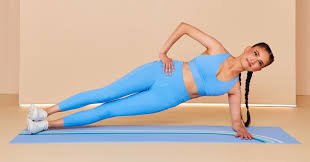
4. Side Plank
-How to do it: Lie on your side with your elbow under your shoulder and knees bent (easier) or legs straight (harder). Lift your hips and hold while staying aligned.
-Why it helps: Side planks strengthen the muscles that control pelvic position, reducing uneven loading through the lower back.
-Sets & reps: 2–3 sets of 10–30 second holds per side.
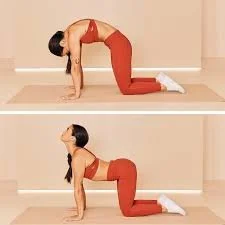
5. Cat–Cow (Controlled Mobility)
-How to do it: On hands and knees, slowly round your back (cat), then gently move into extension (cow). Keep the movement smooth and pain-free.
-Why it helps: This helps reduce stiffness from sitting and improves awareness of spinal position, making your strength work more effective.
-Sets & reps: 1–2 sets of 6–10 slow reps.
If your lower back has been acting up, it’s rarely because it’s “weak” or broken. More often, it’s tired of doing work that your glutes and core should be handling. The right exercises for lower back pain focus on building strength, control, and confidence in how you move, especially if you spend most of your day sitting.
Start simple, stay consistent, and give your body time to adapt. If you’re in Vancouver and want a more personalized plan, or you’re not sure which exercises are right for you, I’d be happy to help. You don’t have to live with ongoing back discomfort and you don’t have to guess your way out of it either.