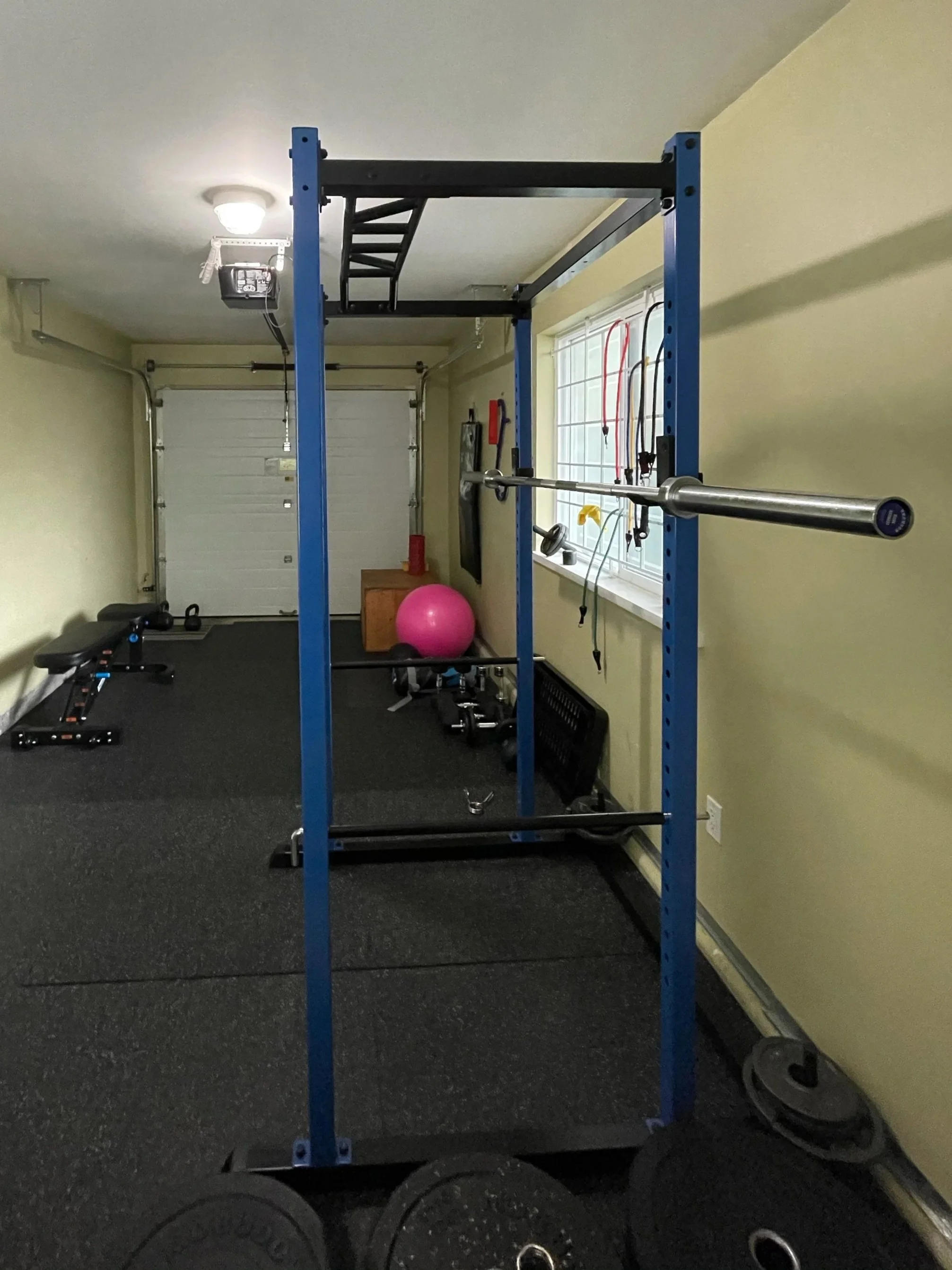
If you’ve ever taken a day off training and immediately felt a little guilty, you’re not alone. I hear this all the time from clients here in East Vancouver. People will tell me things like, “Should I be doing something today?” or “I feel lazy if I don’t work out.” And honestly, I get it. Most of us are wired to think that progress only comes from doing more whether its more workouts, more effort, or more sweat.
But here’s the truth: rest days from strength training is where your results actually happen. Training is the stimulus, but rest is the rebuild. A rest day isn’t a step backward. It’s the part of the program that allows your body to come back stronger, more energized, and ready to actually improve.
Most people don’t need to train harder. They need to recover smarter.
What Actually Happens on Rest Days
A lot of people think rest days are just “doing nothing,” but your body is actually doing a ton of work behind the scenes. When you lift weights, you create stress in the muscles, connective tissue, and nervous system. That’s the training signal, but the strength doesn’t come from the workout itself. It comes from what happens after.
One of the biggest concepts here is something called supercompensation. This is the idea that after your body recovers from training, it doesn’t just return to baseline it rebuilds slightly above it, preparing you for the next challenge. That’s literally the foundation of getting stronger: stress, recovery, adaptation, improvement.
Rest days are when that “upgrade” happens.
Muscle repair is a big part of this. Resistance training increases muscle protein synthesis, which is your body’s process of rebuilding muscle tissue. Research shows that muscle-building rates stay elevated for up to 24–48 hours after a workout, meaning your muscles are still repairing and growing well into the next day. If you train hard again too soon, you’re basically interrupting the construction process before it’s finished.
Rest also matters for your nervous system. Strength training isn’t just about muscles, it’s also your brain and CNS (central nervous system) coordinating force. Heavy lifting can create what researchers call central fatigue, where your nervous system temporarily becomes less efficient at firing muscle contractions. That’s why sometimes the weight feels heavier even though you’re “fit enough” to lift it.
A good rest day gives your body the time it needs to fully absorb the work. Training is the challenge. Recovery is the adaptation.
Signs You’re Not Resting Enough
Most people don’t need more discipline, they need more recovery.
I’ve worked with plenty of clients who were consistent, motivated, eating well, showing up week after week… but their progress stalled because they never backed off long enough to actually let the training sink in.
Here are some real-world signs you may not be resting enough:
Soreness that lasts three or four days after every session
Plateauing lifts even though you’re training consistently
Dragging through workouts that used to feel fine
Sleep quality dropping or feeling more restless
Feeling more irritable, stressed, or mentally flat
Little aches and pains popping up more often
Needing caffeine just to feel ready to train
A noticeable drop in motivation
This is where people sometimes flirt with the early stages of overtraining. True overtraining syndrome is rare for the average person training three or four days a week, but the mechanism is important: when training stress keeps piling up without enough rest, performance stops improving and the body starts pushing back.
Overtraining syndrome is essentially what happens when the body’s systems (muscular, hormonal, neurological, even immune) don’t get enough recovery time to reset. Instead of supercompensation, you get chronic fatigue and stalled progress.
The good news is that most of the time, the fix isn’t complicated.
It’s a rest day!
Active Recovery vs. Doing Nothing
This is where people get stuck: what does a rest day even look like?
Rest doesn’t always mean lying on the couch all day, although sometimes that is exactly what you need. There are really two options, full rest or active recovery and both can be useful depending on the week.
A full rest day is true downtime. No training, no pushing. This is usually best during heavier strength phases, high-stress weeks, stretches of poor sleep, or when soreness is deep and lingering.
Active recovery, on the other hand, is low-intensity movement that helps your body recover without adding more fatigue. The goal is circulation and nervous system reset, not intensity.

This is where I’ll often suggest things like a long walk around the north shore trails, some light yoga, stretching at home, foam rolling while watching Netflix, or a short mobility session.
The key is that active recovery should leave you feeling better afterward, not more tired. It’s not another workout, it’s support work.
A lot of clients find that active recovery days help reduce stiffness and improve mood, without taxing the CNS the way heavy lifting does. Think of it as keeping the body moving while still letting the system recharge.
That balance is what makes rest days strength training sustainable for real life, not just gym life.
How to Build Rest Into Your Training Week
One of the most common questions I get is: how many rest days per week do I actually need?
For most regular people lifting three to four days a week, the sweet spot is usually two rest days per week, sometimes with one active recovery day mixed in.
If you train three days per week, you already have plenty of recovery built in, which is why that schedule works so well long term.
If you train four days per week, most people feel best with two full rest days and one lighter movement day.
Once you get into five or more training days, rest becomes something you need to program very intentionally, because recovery demands go up fast, especially for the nervous system. Research shows that performance measures after intense strength sessions can take 48–72 hours to fully return, which is why back-to-back maximal lifting every day tends to catch up with people.
And this is where “listening to your body” actually becomes measurable, not vague. Some useful markers include:
Elevated resting heart rate
Persistent soreness
Drop in strength or bar speed
Mood changes or irritability
Sleep quality slipping
Recovery isn’t just one thing. Rest fits into the bigger system. Managing stress matters (I wrote about that here, sleep is the foundation, and rest days strength training is what ties the whole thing together.
If you want help building a week that actually works for your body and your schedule, you can check out my coaching options here.
FAQ: Rest Days Strength Training
-
Most people training three to four days per week do best with about two rest days per week, sometimes with one active recovery day included.
-
No — you don’t lose strength from resting. Rest days strength training is when your body rebuilds, repairs muscle tissue, and adapts.
-
If you feel generally good, active recovery is great. If you feel run down, sore, or stressed, full rest is usually the better call.
-
Walking, mobility, stretching, and anything that promotes circulation without creating more fatigue.
-
If performance is dropping, soreness lingers, sleep is off, or motivation crashes, your body is asking for recovery.
Final Thought
If you’ve been feeling guilty about taking a day off, I want you to remember this:
Rest isn’t what you do when you’re slacking. Rest is what you do when you’re training intelligently.
Your workouts challenge your body, but your rest days strength training is what allows your body to respond, rebuild, and get stronger.
That’s not lazy.
That’s the plan.