Functional Fitness in Vancouver: Training for Real Life, Not the Mirror
If you’re in Vancouver and feeling the effects of long workdays, tight hips from sitting, or that classic “why does my back hurt from picking up a laundry basket?” moment… you’re not alone. Most adults in their 40s and 50s don’t need flashy gym tricks, they just need strength that actually carries over into real life. That’s where functional fitness comes in.
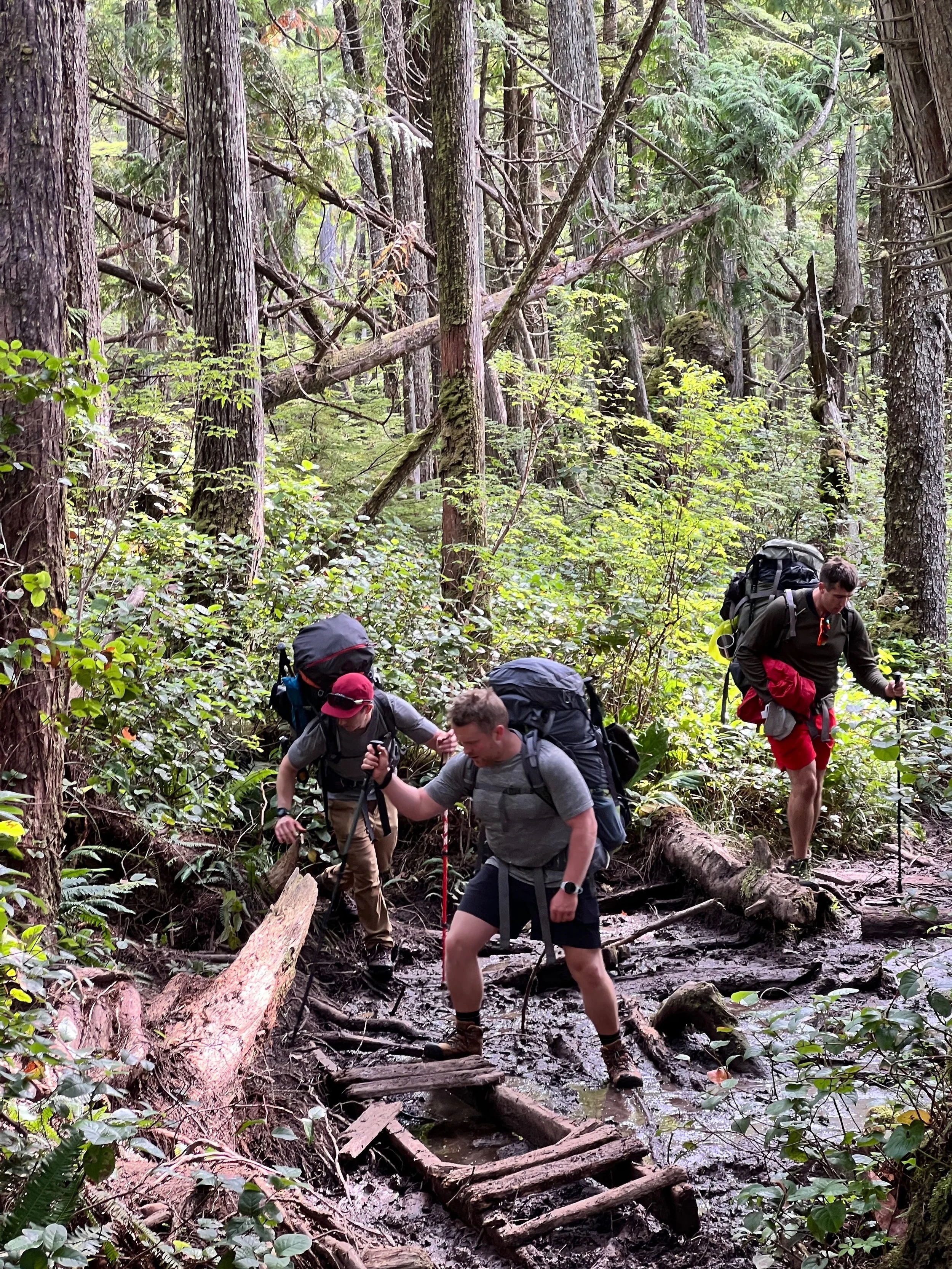
Functional fitness is all about training movements, not muscles. Instead of isolating one body part at a time, we focus on the patterns you use every single day. Those are squatting, hinging, pushing, pulling, and carrying. These are the foundations of everything like getting up off the floor, biking around the seawall, keeping up with your kids, or heading into a Monday not feeling broken after a weekend of skiing or hiking.
So when people search for functional fitness Vancouver, what they’re really looking for is a way to feel stronger, move better, and stay capable as life gets busier. And that’s exactly why I coach the way I do, function first, because when you move well, everything else (including aesthetics) falls into place.
What Is Functional Fitness?
Functional fitness is strength training that actually translates into the life you live outside the gym. Instead of isolating a single muscle on a machine, functional training focuses on those 5 movement patterns mentioned above(squat, hinge, push, pull, and carry).
Functional fitness also looks at the body as a connected system. Your hips, core, shoulders, and spine don’t work in isolation in daily life, so they shouldn’t be trained that way either. Research backs this up, studies show that functional training can improve agility, mobility, balance, and even lower-body strength more effectively than traditional strength routines. In other words, it doesn’t just make you stronger, it also helps you move better.
This doesn’t mean functional training is “better” or that traditional training is wrong. It’s simply a different focus. Traditional lifting builds muscle and strength in a controlled, predictable way. Functional training builds capability, the ability to improve how well you move, react, and handle the unpredictable nature of real life.
The goal is simple: make everyday tasks feel easier, reduce injury risk, and build the kind of strength that keeps you active and confident for years to come.
Functional vs. Traditional Training
When people hear “functional fitness,” they sometimes assume it’s cross-fit, or those weird movements you see on instagram . It’s not. Traditional strength training, think machines, and isolated joint movements has a long, proven track record for building muscle, improving bone density, and getting people stronger in a controlled, repeatable way. There’s a reason it’s been around forever: it works.
Functional training simply takes a different approach. Instead of focusing on a single muscle at a time, it trains patterns that show up in real life. And the research backs this up, they end up building about the same strength, just in different ways, but functional training often leads to better improvements in things like balance, agility, mobility, and overall movement quality, the skills that matter a lot if you’re a desk worker, parent, or weekend warrior trying to stay active without aches and pains.
Both styles have a place.
For example, if your goal is to build pure strength or muscle in a specific area, say you want stronger quads after a knee injury or bigger biceps. The traditional exercises like leg extensions, or bicep curls can be incredibly effective because they target one area cleanly and safely.
But if your goal is to feel stronger in day-to-day life from lifting kids, to hiking the Chief, or avoiding that “tweaked my back again” feeling, functional movements like hinges, squats, carries, and pushes give you more transferable strength.
You don’t need to choose one or the other forever. The best program is a mix both: traditional training to build raw strength, and functional training to make that strength useful in the real world.
The 5 Movement Patterns You Need to Train
Everything your body does in daily life fits into five basic movement patterns. When you train these patterns, you build strength that carries directly into how you move, work, and live outside the gym.
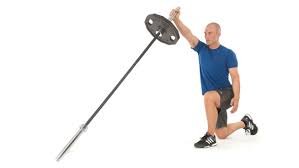
1. Push
Why it matters: Pushing strength helps you get up from the floor, press yourself out of a chair, push open heavy doors, and support activities like skiing, hiking, or even lifting a heavy box into the top shelf
Exercise example: Push-ups or overhead presses are simple, scalable ways to build total-body pushing strength.
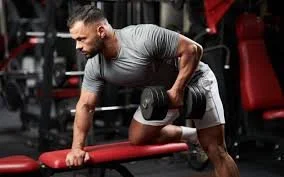
2.Pull
Why it matters: Pulling keeps your upper back strong, supports good posture (critical for anyone who sits all day), and helps with daily tasks like opening doors, lifting objects toward you, or controlling your body when hiking or climbing.
Exercise example: Rows or pull-ups build the kind of upper-body strength that protects your shoulders and keeps your back healthy.
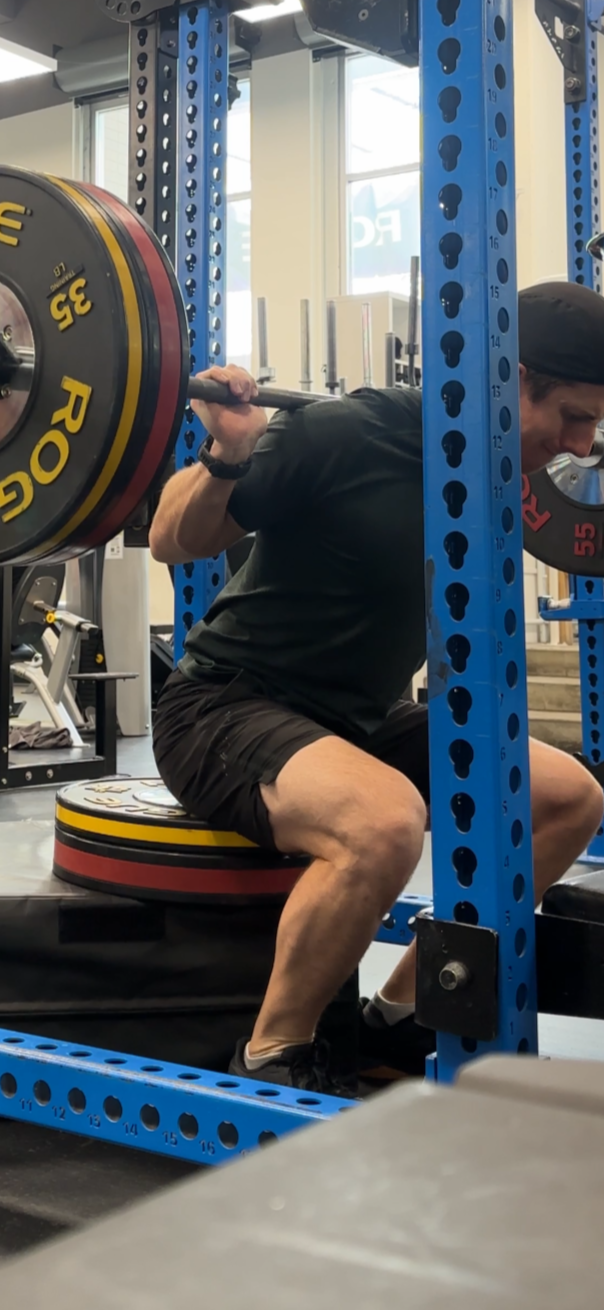
3.Squat
Why it matters: Squatting is the foundation of sitting down, standing up, picking things up, playing with your kids, and staying mobile as you age. Strong legs and hips make daily life dramatically easier.
Exercise example: Barbell or Goblet squats or lunges train leg strength and stability in a way that carries directly into everyday movement.
4. Hinge
Why it matters: Hinging teaches you how to bend and lift safely, which is essential for protecting your lower back when picking up weeds in the garden, lifting a box, or doing any kind of physical task around the house or yard.
Exercise example: Deadlifts or kettlebell swings build strong glutes and hamstrings.
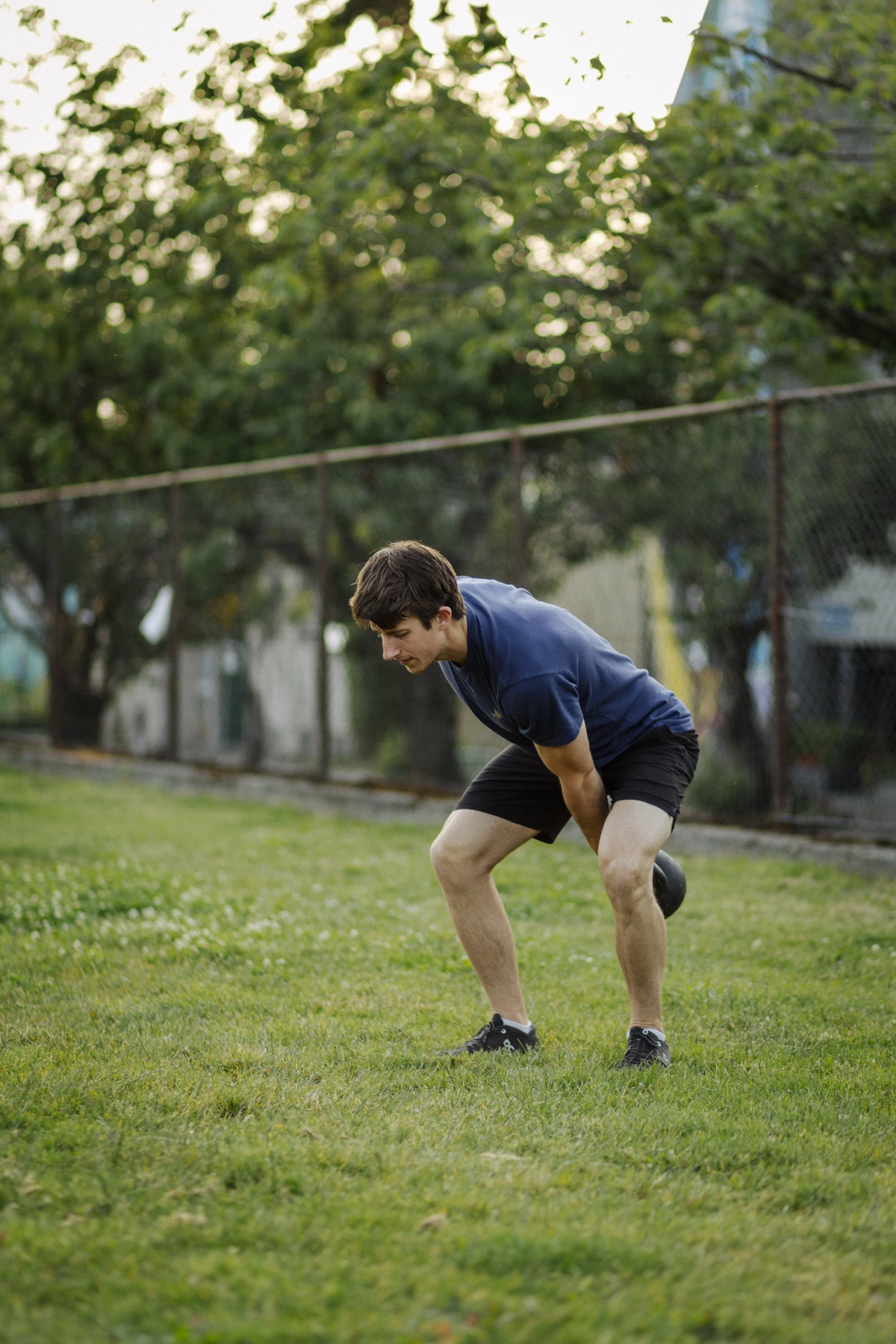
Hinge Movement Pattern
5. Carry
Why it matters: Carrying builds total-body stability and grip strength, helping you manage groceries, luggage, kids, or even awkward objects without straining your back(core) or shoulders.
Exercise example: Farmer carries or suitcase carries train your core, posture, and overall real-life strength.
Training these five patterns consistently creates a body that moves well, stays resilient, and feels strong in all the ways that actually matter day to day.
Who Benefits Most from Functional Fitness
Functional fitness is for anyone who wants to look good and be useful in real life. But there are a few groups who get especially big returns from training movement patterns instead of isolated muscles.
The 40+ crowd: As we age, mobility, balance, and joint health become just as important as strength. Functional training keeps you moving well, not just lifting heavy, so you can stay active, capable, and confident for decades.
Desk workers: If you spend most of your day sitting, you’re fighting tight hips, weak glutes, rounded shoulders, and a stiff upper back. Functional patterns help reverse those postural issues and build the strength you actually need to feel good again.
Parents: From picking up kids to hauling car seats, strollers, and bags, parents live in a world of awkward lifting. Functional strength makes those daily tasks safer and easier.
Weekend warriors: Skiing, hiking, biking, running—almost every outdoor sport Vancouver offers demands stability, power, and control. Training hinges, squats, pushes, and carries reduces your injury risk and boosts performance.
Anyone recovering from injury: Functional fitness focuses on quality movement, not ego lifting. It’s a safe way to rebuild strength, restore patterns, and get back to living pain-free.
Functional Fitness in Vancouver
Functional fitness matters everywhere, but especially in Vancouver. This city of all outdoor activities at your fingertip demands that you move well. Whether you’re hiking the sea to sky, skiing at Whistler or the North Shore mountains, biking the trails, or commuting by bike to work, your body needs real-world strength, not just show strength. Even everyday tasks require stability, mobility, and usable power.
This is why my training approach in East Vancouver is built around movement patterns, not body parts. We squat, hinge, push, pull, carry, and rotate, not because it looks cool on Instagram, but because these patterns make life easier, safer, and more enjoyable. We will mix in a few cheeky bicep curls as well. If you want to have a quick look on how this functional training might apply to training for skiing, have a look at our previous blog post.
By training the five key movement patterns, you improve mobility, reduce injury risk, and stay capable for the activities you love in Vancouver. If you’re ready to move better and get stronger in a way that truly carries over into your day to day life, I’d love to help. Reach out via Email and we can set up a time to chat.