How to Train for Strength, Conditioning, and Endurance Without Spending Your Whole Life in the Gym
When you’ve got strength but can’t hike a hill… or you have enough endurance to run a marathon but can’t lift a heavy box… you know something’s missing.
This is the gap most people run into with strength and conditioning.
You’re training consistently. You’re putting in the effort. But something doesn’t carry over to real life. You can squat heavy, but a long hike in North Vancouver wipes you out. You can run for hours, but your legs give out halfway through a ski day. Or you’re doing group classes and sweating like crazy, but you’re not actually c constantly stagnant with your strength gains.
The issue usually isn’t effort, it’s that most people are only training one piece of the puzzle. Real strength and conditioning means building strength, conditioning, and endurance together. Not equally all the time, but intentionally over time. And when you get that right, you don’t need more time in the gym,you just need a better plan.
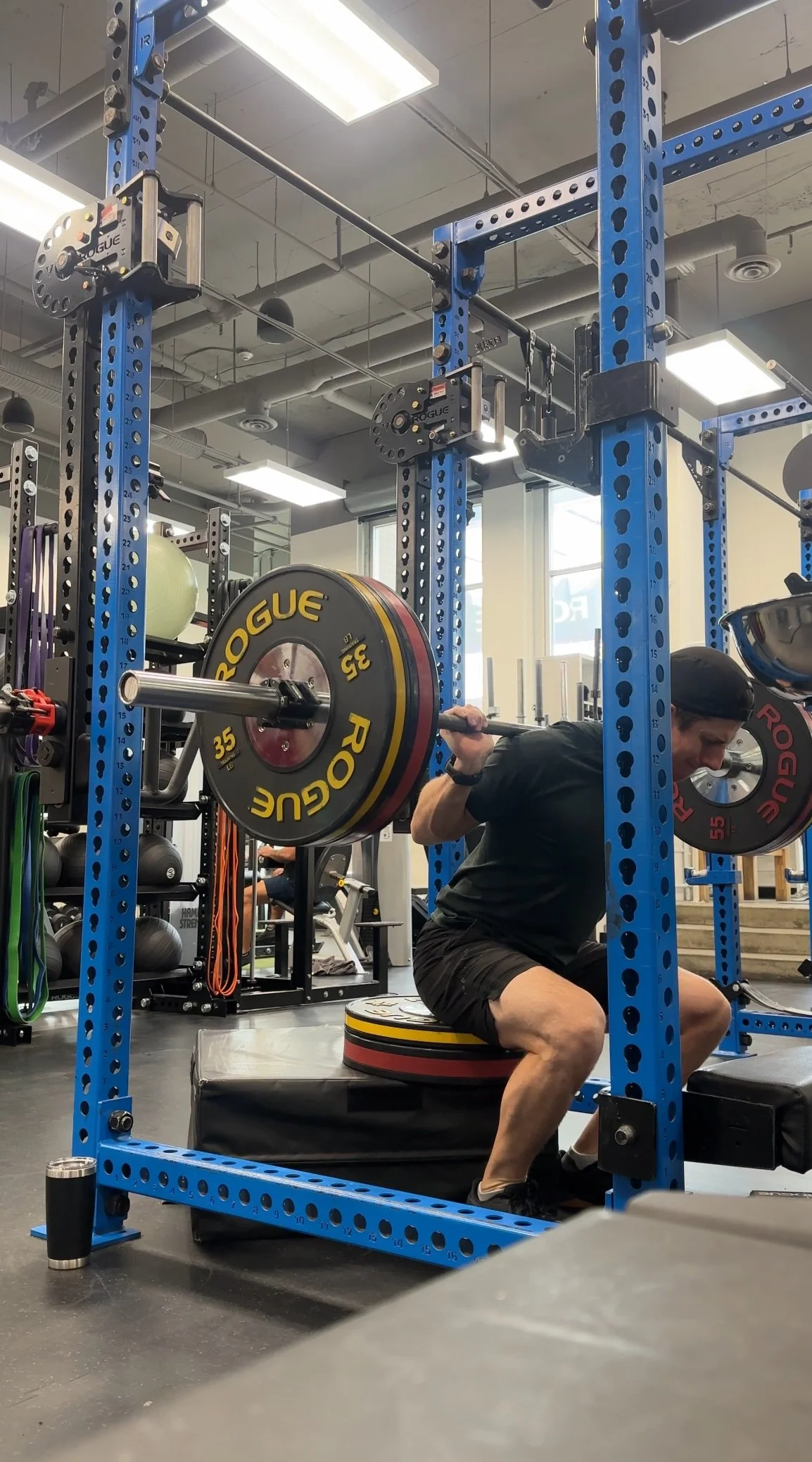
What Strength, Conditioning, and Endurance Actually Mean (and Why They’re Different)
Strength:
This is your ability to produce force. Think heavy weights or bodyweight moves for about 3–8 reps (squats, deadlifts, presses, pull-ups). Strength training means lifting enough weight that only a few reps are doable. It builds muscle and bone strength so you can lift or carry heavy loads in daily life.
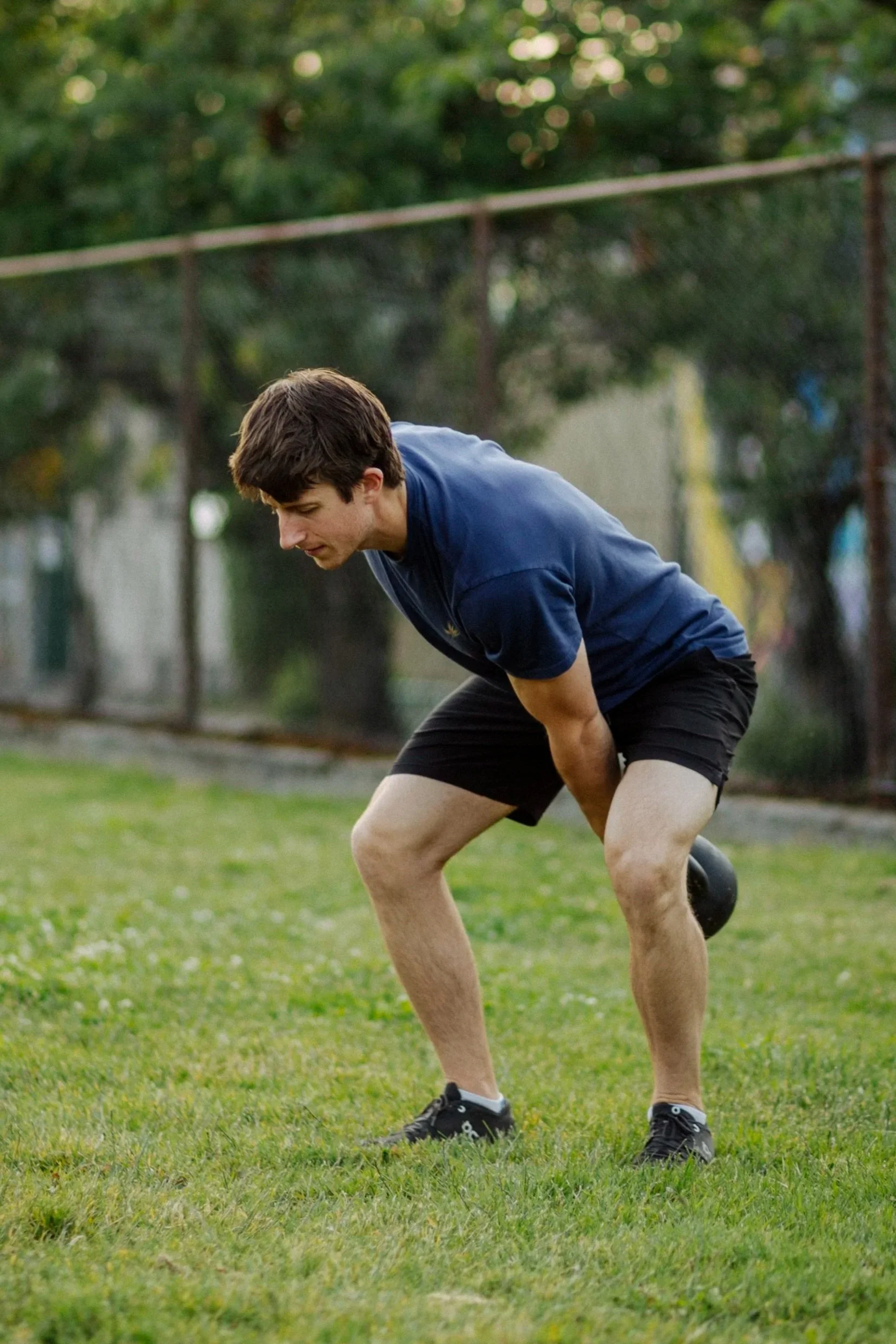
Conditioning:
This covers workouts that stress your heart and lungs and your ability to recover quickly. It includes high-intensity interval training (HIIT) or circuit-style work like sled pushes, rowing sprints, or air bike intervals. Conditioning improves how efficiently your body uses energy (for example, optimizing ATP use) and raises your lactic acid threshold. In practice, short bursts (10–30 seconds) of near-max effort with rest in between train your anaerobic system. Over time, this builds a bigger engine.
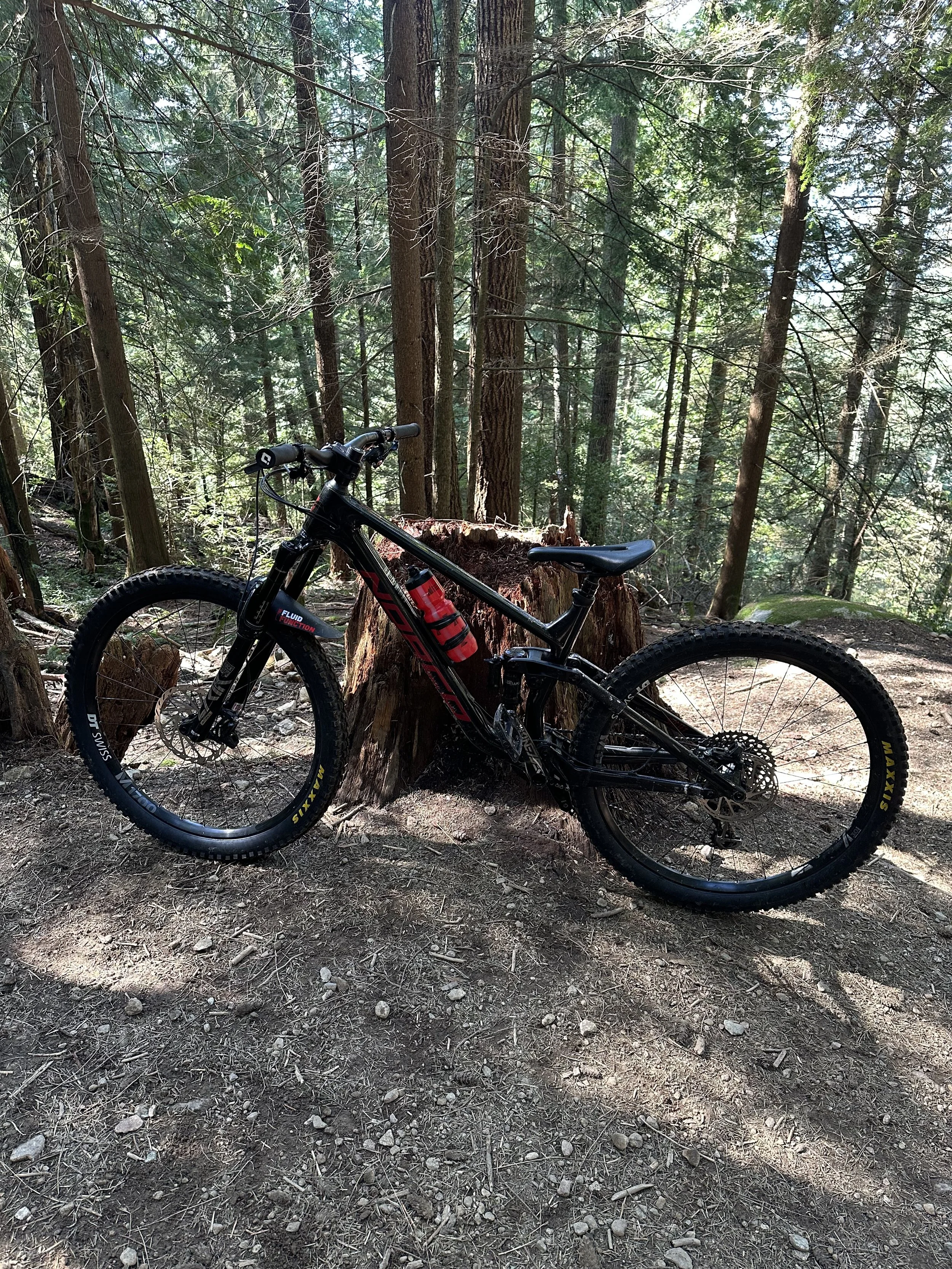
Endurance:
Endurance is about sustaining moderate effort for the long haul. Classic examples are long-distance running, cycling, or brisk hiking for 20+ minutes. Endurance training builds your cardiovascular capacity and muscular stamina so you can “keep going” at a lower intensity. It teaches your body to use oxygen efficiently, which helps in any extended activity. In everyday terms, endurance means not feeling wiped out after a weekend hike or a long workday.
Each quality has its place: strength builds the foundation (strong bones, strong muscles), conditioning builds the engine (heart and lung power), and endurance is the cruising ability. For true fitness, you need all three.
Why Most People Are Missing at Least One
This is where most people get stuck, and honestly, it’s predictable.
If you spend most of your time in the gym lifting, there’s a good chance you’ve neglected conditioning. A lot of people still think cardio is just for weight loss, not performance. So they get strong, but their engine never develops. The result is someone who can lift heavy, but struggles when things become continuous or require repeated effort.
On the other side, a lot of runners, cyclists, and outdoor athletes avoid strength work because they think it’ll slow them down, make them too bulky or they don’t have time for it. Around here, where hiking and endurance sports are a big part of life, this shows up all the time. But the reality is, the people who perform best over the long term almost always have a strength base. If you’ve ever searched for strength training Vancouver, or running injury prevention it’s usually because you’ve felt that ceiling, your cardio health is there, but your muscles is lagging behind.
Then there’s the group class crowd. This is where a lot of functional fitness Vancouver gyms do a great job of building conditioning. You’re working hard, you’re sweating, and you feel like you’re getting after it. But what’s often missing is progression. You’re not consistently getting stronger over time. So while your engine improves, your base strength doesn’t after the initial phase.
And if we’re being honest, most people default to what they enjoy. Lifters lift, runners run, and class people take classes. Very few people consistently train the thing they’re worst at/ things they dont enjoy, and that’s exactly why the gap between the three sticks around.
Train Smarter: You Don’t Need More Hours in the Gym
Here’s the good news: you can cover strength, conditioning, and endurance in 3–5 workouts a week (45–60 minutes each), without adding crazy hours. It’s about structuring your time efficiently:
Prioritize one goal per workout. Decide whether each session is mainly strength, conditioning or endurance. If it’s a strength day, do your heaviest/most complex lifts first (3–5 sets of 4–8 reps at ~80% of your 1RM).You should be working within rep ranges that allow you to progressively get stronger over time. This is where working with a strength and conditioning coach, or at least following a structured program, makes a massive difference.
Keep conditioning short and intense. You don’t need hour-long cardio. Experts advise just 10–15 minutes of well-designed intervals 2–3 times per week. For example, 4–6 rounds of 20–30 second all-out bike sprints (with equal rest) will boost your aerobic/anaerobic fitness without wrecking your muscles. This minimal approach gets your engine humming without extra fatigue.
Use low-impact conditioning. Choose modalities that challenge your heart but spare your joints: rowing, cycling, swimming, or sled pushes. These give big aerobic benefits without pounding your legs, so you can recover and lift heavy again.
Alternate hard and easy days. If possible, separate heavy-lift days from conditioning days. For instance: Day 1 – heavy lower body + short sled sprints; Day 2 – rest or easy Zone-2 bike; Day 3 – heavy upper body + bike intervals; Day 4 – longer easy run or hike; Day 5 – full-body strength circuit + rowing sprints. You can adjust this to your schedule. Even 3 days (e.g. one strength day, one conditioning day, one easy cardio day) is enough if done right.
Zone 2 for endurance (typically 60-70% Heart rate). Throw in 1–2 longer easy sessions each week (brisk walks, easy cycling, light jogging). These low-intensity workouts build your aerobic base and improve recovery. A 30-minute walk or light bike ride keeps your engine primed without extra gym time.
Where to Start
If you’re reading this and recognizing yourself in one of these categories, the good news is you don’t need to overhaul everything. You just need to fill the gap.
Start by being honest about what you’re missing. If you’re strong but get gassed easily, you might need conditioning. If you’ve got great endurance but feel weak or unstable, you should look into strength training. From there, add one or two sessions per week focused on that missing quality and commit to it for the next six to eight weeks.
You don’t need a perfect program. You need consistency and a bit of direction. Start tracking something simple, like what weight you lifted, the time it took you to push the sled, or the distance you ran and make small improvements over time. That’s where the results come from.
Train with Purpose, Then use it outside!
You don’t need a magic formula or endless workouts, you just need a balanced strategy. Covering strength, conditioning, and endurance means you’ll become a well-rounded athlete (and person) without burning out. In Vancouver’s active scene, that could mean crushing a ski trip or hiking big mountains, not just piling on gym hours.
At Coast Athletics, our strength and conditioning coaches craft exactly these kinds of balanced programs. We’ll help you train smarter: hitting squats and presses, sprints and sleds, and even easy Zone-2 work, all in a plan that fits your life.
👉 Check out my personal training options here or read more about functional fitness here!
See you on the trails or in the gym!