Posture Exercises for Desk Workers: A Strength Coach’s Guide
The Posture Exercises Most Desk Workers Actually Need
Blog Summary
Spending hours sitting at a desk creates real muscle imbalances, tight hips and chest paired with weak upper back and glutes which gradually lead to a slouched posture. Research consistently shows that increased sitting time correlates with forward head posture and rounded shoulders.
The real solution isn’t just stretching at your desk.
While stretching may temporarily relieve tight muscles, long-term posture improvements come from strengthening the muscles responsible for holding your body upright. In this guide, we break down the science behind desk posture and show the posture exercises and exercises to improve posture that actually create lasting change.
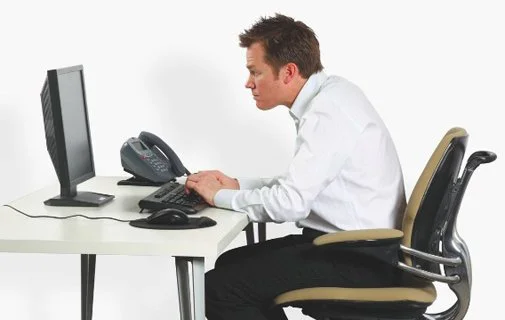
Are You Slouched Over Right Now?
If you're reading this on a laptop or phone, there’s a good chance you're slouching right now.
Shoulders creeping forward. Head pushed slightly ahead of your torso. Lower back rounding toward the chair.
For many desk workers in Vancouver and across North America, this posture slowly becomes the default after years of computer work.
According to Harvard Health, common computer posture tends to overstretch and weaken the muscles in the back of the shoulders while shortening the muscles in the front of the chest. Over time, that imbalance gradually pulls the body forward. Most people respond by searching for posture exercises or quick desk stretches.
Those can feel good temporarily. But if you're trying to learn how to fix bad posture, the real issue usually isn’t flexibility. It’s strength.
Your body slouches because the muscles responsible for keeping you upright simply aren’t strong enough to hold that position all day. A true desk posture fix requires strengthening those muscles, not just stretching the tight ones.
Why Your Posture Breaks Down
The human body adapts quickly to the positions it spends the most time in. When you sit for hours every day, certain muscles become tight while others weaken from lack of use.
For example, prolonged sitting shortens the hip flexors while reducing activation in the glutes. This creates a forward pelvic tilt that often contributes to lower back discomfort.
At the same time, the chest and upper traps tighten while the mid-back muscles and deep spinal stabilizers weaken.
This pattern is often described clinically as:
• Upper cross pattern: tight chest + weak upper back → rounded shoulders and forward head
• Lower cross pattern: tight hip flexors + weak glutes/core → pelvic tilt and lower back strain
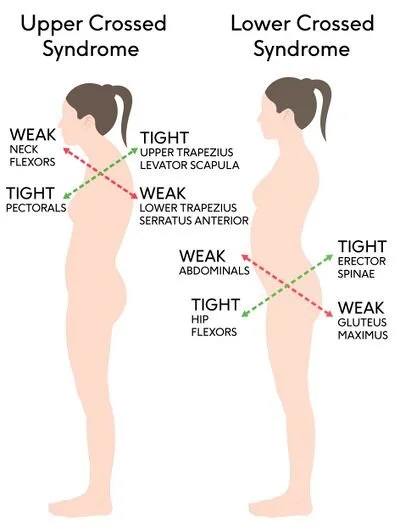
Research supports this connection between sitting time and posture. Studies examining sedentary adults show that increased sitting hours are associated with forward head posture and rounded shoulders, common markers of desk-related postural imbalance.
Other research has found that sedentary lifestyles can shorten or weaken spinal support muscles and reduce spinal mobility, further contributing to posture breakdown.
In simple terms, your body isn’t slouching because you're lazy. It’s slouching because the muscles responsible for posture aren’t strong enough to do their job. This is why stretching alone rarely solves posture problems if you're trying to figure out how to fix bad posture. Stretching helps loosen tight muscles, but it doesn’t strengthen the muscles needed to maintain posture. That’s why effective exercises to improve posture focus on rebuilding strength in the upper back, glutes, and deep core.
The Best Posture Exercises for Desk Workers
If you're serious about improving posture, the goal is to strengthen the muscles responsible for holding your body upright. These posture exercises for desk workers target the muscles most affected by sitting: the upper back, glutes, and deep core. Performing these exercises consistently two to three times per week can dramatically improve postural strength.
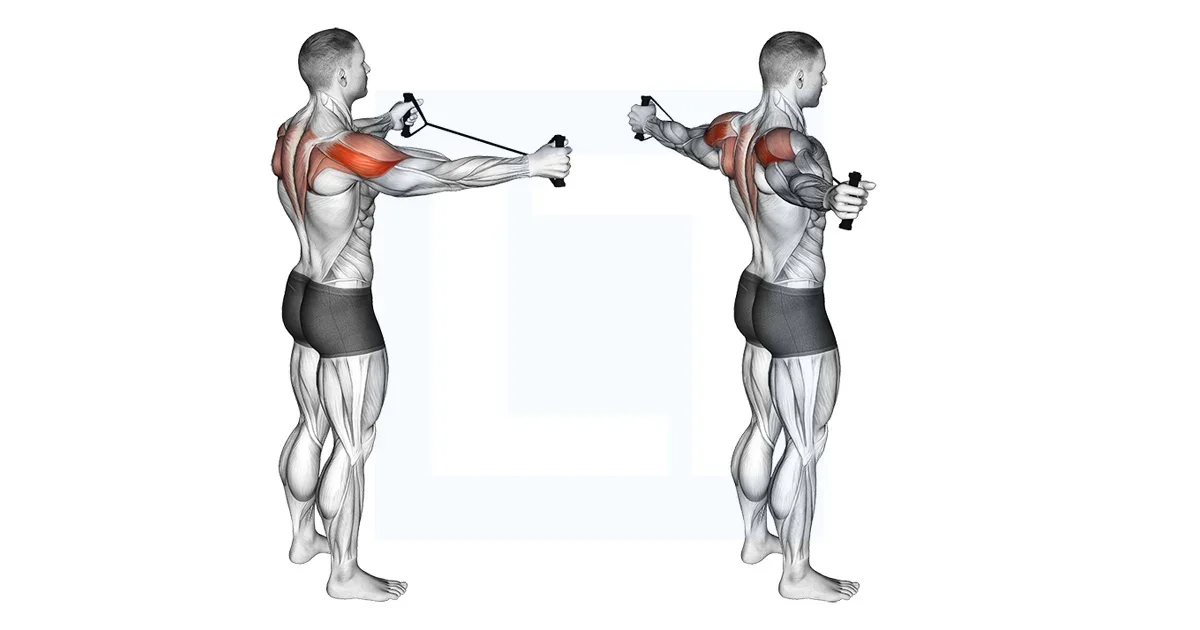
Band Pull-Aparts
Band pull-aparts are one of the simplest posture exercises you can perform anywhere.
They target the rear deltoids and mid-back muscles responsible for pulling your shoulders back.
EMG research shows this movement strongly activates the lower trapezius and posterior deltoid, making it highly effective for strengthening scapular stabilizers.
Cue: squeeze shoulder blades together as the band separates
Sets/Reps: 3 sets of 15–20
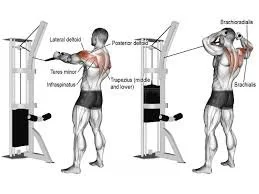
Face Pulls
Face pulls strengthen the rear delts, rotator cuff, trapezius, and rhomboids. The key muscles responsible for stabilizing the shoulders.
Strengthening these muscles helps counteract the forward pull created by tight chest muscles in desk workers.
This is one of the most effective exercises to improve posture because it directly reinforces proper shoulder positioning.
Cue: pull the rope toward your face while lifting elbows high
Sets/Reps: 3–4 sets of 10–15
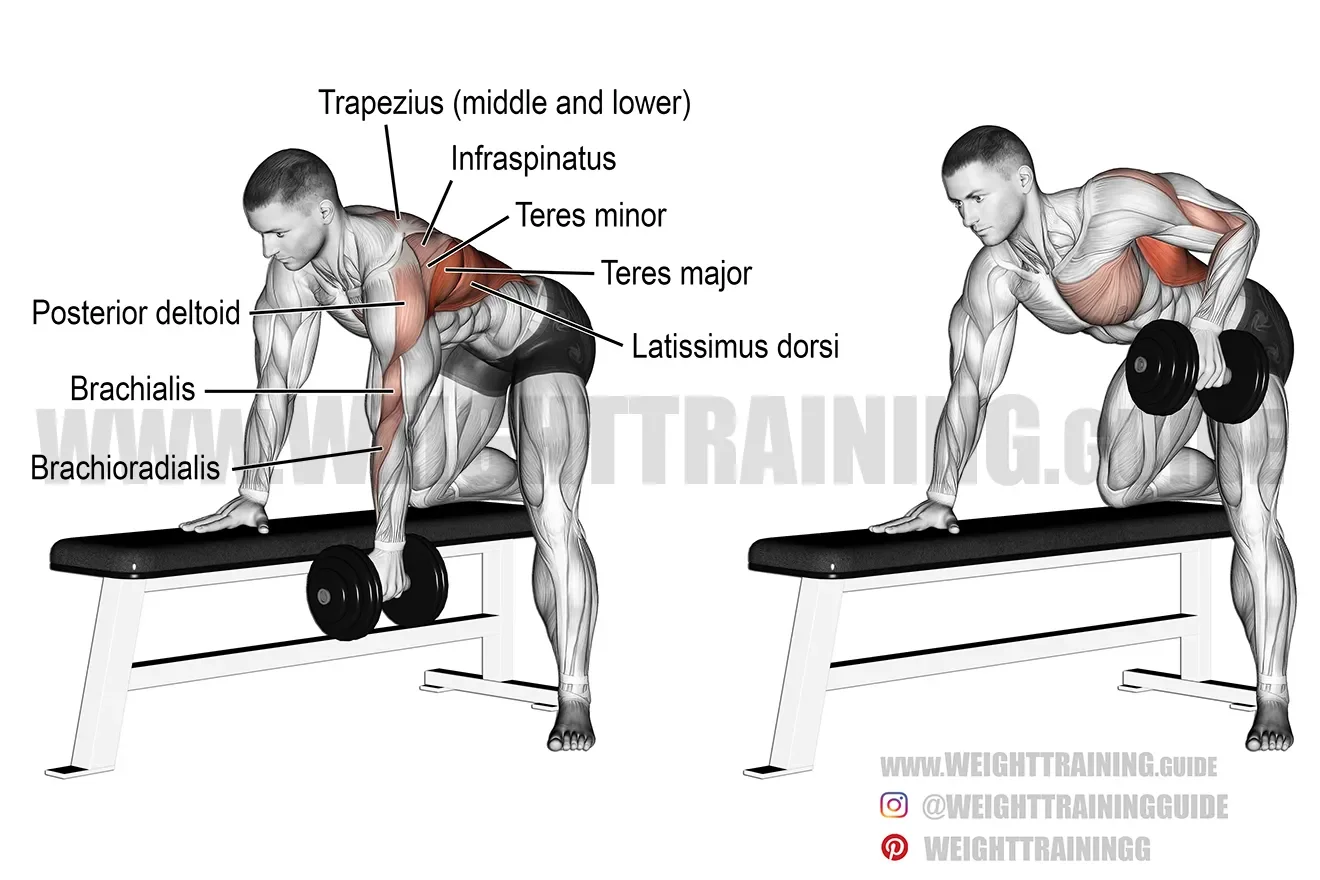
Rows (Dumbbell, Cable, or Barbell)
Rows strengthen the mid-back muscles responsible for stabilizing the shoulder blades.
Researchers studying rowing movements found strong activation of the middle trapezius and rhomboids, which are critical for maintaining upright posture.
This makes rows one of the most effective posture exercises for desk workers trying to reverse rounded shoulders.
Cue: pull elbows toward ribs and squeeze shoulder blades together
Sets/Reps: 3–4 sets of 8–12
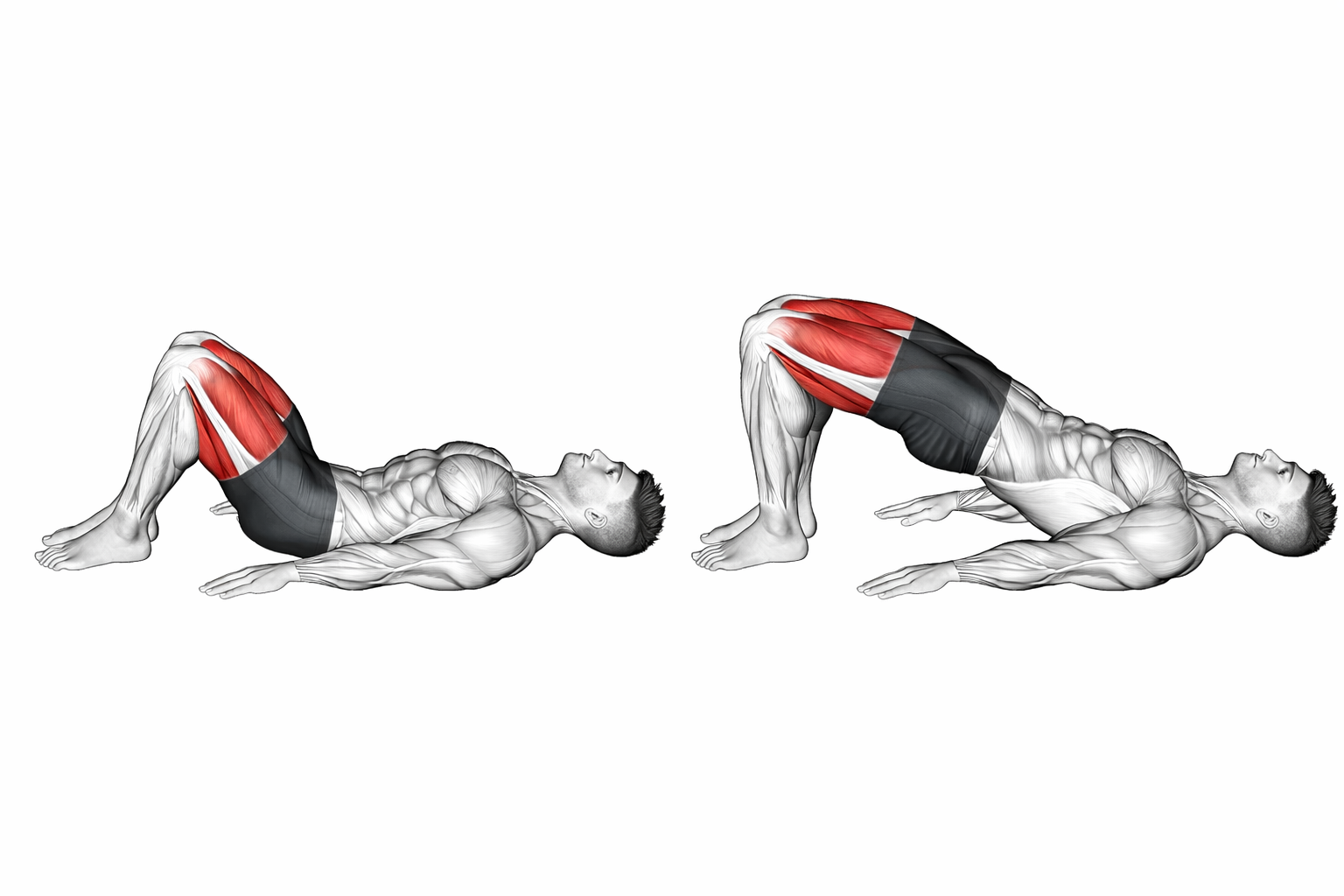
Glute Bridges or Hip Thrusts
Sitting for long periods reduces glute activation, sometimes referred to as gluteal inhibition. Glute bridges help reactivate the gluteus maximus and restore proper pelvic alignment.
Rehab programs frequently use this movement to counteract the effects of prolonged sitting.
Cue: drive through heels and fully squeeze glutes at the top
Sets/Reps: 3 sets of 12–15
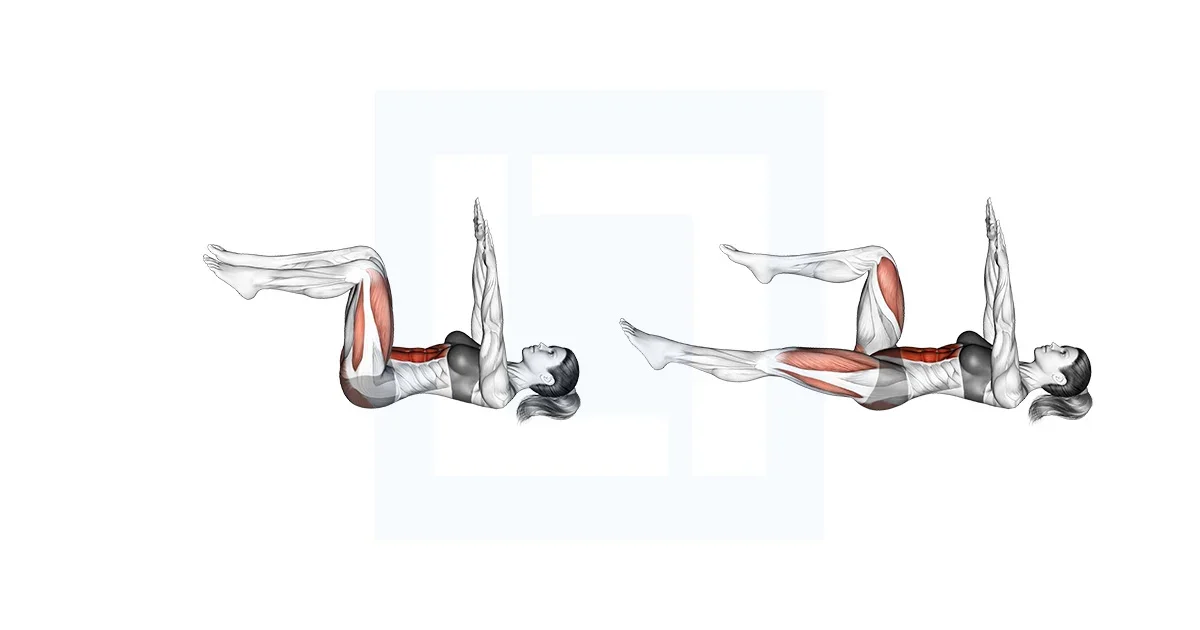
Dead Bugs
Dead bugs build deep core stability, particularly the transverse abdominis, which helps stabilize the spine. Core stabilization exercises like this improve spinal control and reduce excessive arching or slouching during daily activities.
Cue: keep lower back gently pressed into the floor
Sets/Reps: 3 sets of 8–12 per side
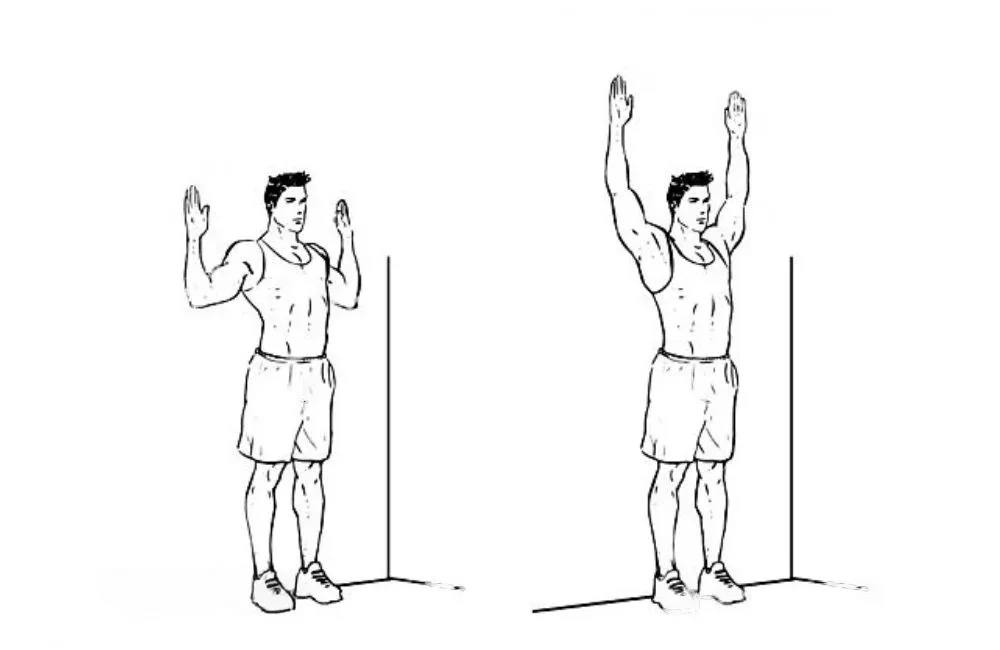
Wall Angels
Wall angels improve thoracic mobility and scapular control, both of which are often limited in desk workers.
Corrective exercise studies have shown that wall slide movements can significantly improve shoulder blade alignment after several weeks of practice.
Cue: keep your lower back and wrists lightly touching the wall
Sets/Reps: 3 sets of 8–10 slow reps
Where Stretching Fits Into a Desk Posture Fix
Stretching still plays an important role when correcting posture. It simply addresses a different side of the problem.
Stretching targets the tight muscles created by prolonged sitting, while strength training addresses the weak muscles responsible for posture.
For example:
• Doorway chest stretch – opens the chest that pulls shoulders forward
• Hip flexor or couch stretch – counteracts tight hips from sitting
• Upper trap stretch – reduces neck and shoulder tension
Experts consistently recommend combining both approaches. Harvard Health guidance on posture improvement emphasizes the importance of both strengthening and stretching the muscles around the upper back, chest, and core.
Stretching alone rarely solves posture issues. But when combined with targeted posture exercises, it becomes a powerful tool for restoring healthy movement and posture.
Build Lasting Posture Strength
If you’re a desk worker in Vancouver or anywhere for that matter, you’re far from alone in dealing with posture problems. Long hours at a computer, limited movement during the workday, and tight hips or rounded shoulders can lead to chronic discomfort, but the right posture exercises can reverse much of the damage caused by prolonged sitting.
At Coast Athletics, we help professionals, from office workers to remote tech staff rebuild strength in the upper back, glutes, and core while improving mobility in the chest and hips. By consistently performing these exercises two to three times per week, you can reduce discomfort, improve alignment, and build the resilience needed to maintain healthy posture long-term. If you want a personalized plan or to train with us to help you with your posture, book a session with one of our coaches today and start standing taller tomorrow.
If you're working on improving posture and strength together, and enjoy this blog post you may also find these helpful:
• Strength training for hikers preparing for the Grouse Grind
• Why rest days matter for recovery and performance
• How to train around back pain
FAQ: Posture Exercises
-
Some of the most effective posture exercises include rows, face pulls, band pull-aparts, glute bridges, and dead bugs. These movements strengthen the upper back, glutes, and core. The muscles responsible for maintaining upright posture.
-
Yes. Research shows that targeted strength training can significantly improve shoulder alignment, spinal stability, and overall posture in sedentary individuals.
-
Most people benefit from performing posture exercises for desk workers two to three times per week. Improvements in strength and posture are often noticeable within four to six weeks.